
01
Platform Enablement Over Ticket Factory
True architectural leverage decouples engineering throughput from design headcount through deterministic floorplan contracts.
True architectural leverage decouples engineering throughput from design headcount through deterministic floorplan contracts.
Token compilers, contract boundaries, and layout invariants must be locked in code before a single vector is drawn in Figma.
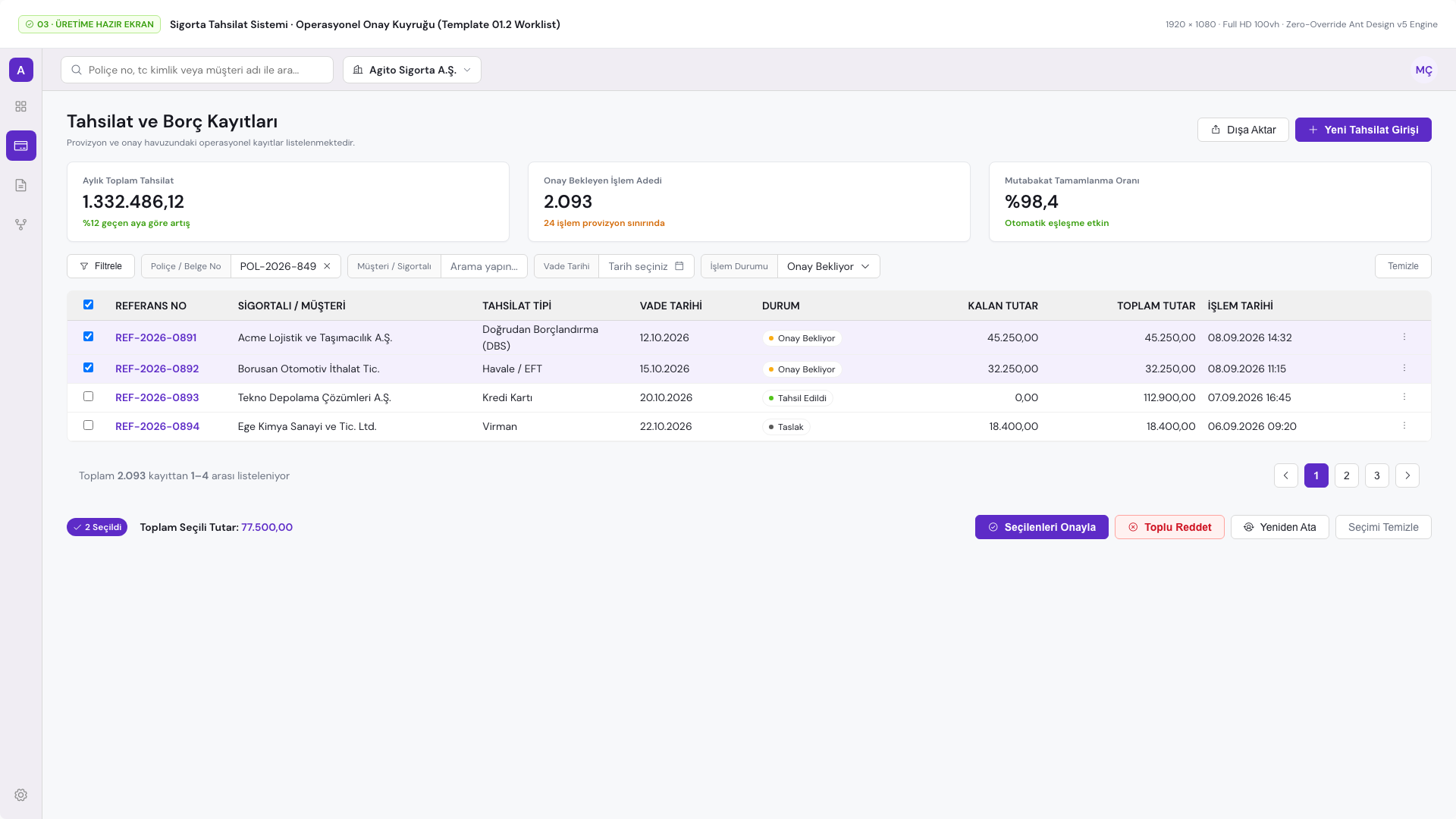
Enterprise ergonomics require strict tabular density, fixed integer geometry, and 100vh canvas containment for 8-hour operators.
A design system is a compile-time control system. Its business value is measured strictly in failure modes permanently removed from runtime.
UX debt across agile squads is cultural. Align divergent teams through joint Definition of Ready gates and shared contract invariants.
Deliberate friction reduces anxiety in high-stakes financial operations. Density and cognitive friction eliminate irreversible transactional error.
Compliance is an engineering invariant. Enforce PII data masking, locale-aware casing, and immutable audit timestamps at token level.
Brooks’s Law in UX: How canonical floorplans and PO readiness gates decouple engineering throughput from design headcount.
Published Jan 2026 · 4 min readWhy static component stickers cause engineering debt, and how W3C DTCG token compilers terminated a $180k/yr agency retainer.
Published Jan 2026 · 4 min readOcular ergonomics and subpixel physics: 100vh canvas locking, 38px cell integer box-model, and tabular scanning velocity.
Published Feb 2026 · 4 min readControl engineering in UI: binary font weights (400/600), hard-deny invariants, and underwriting authority gating.
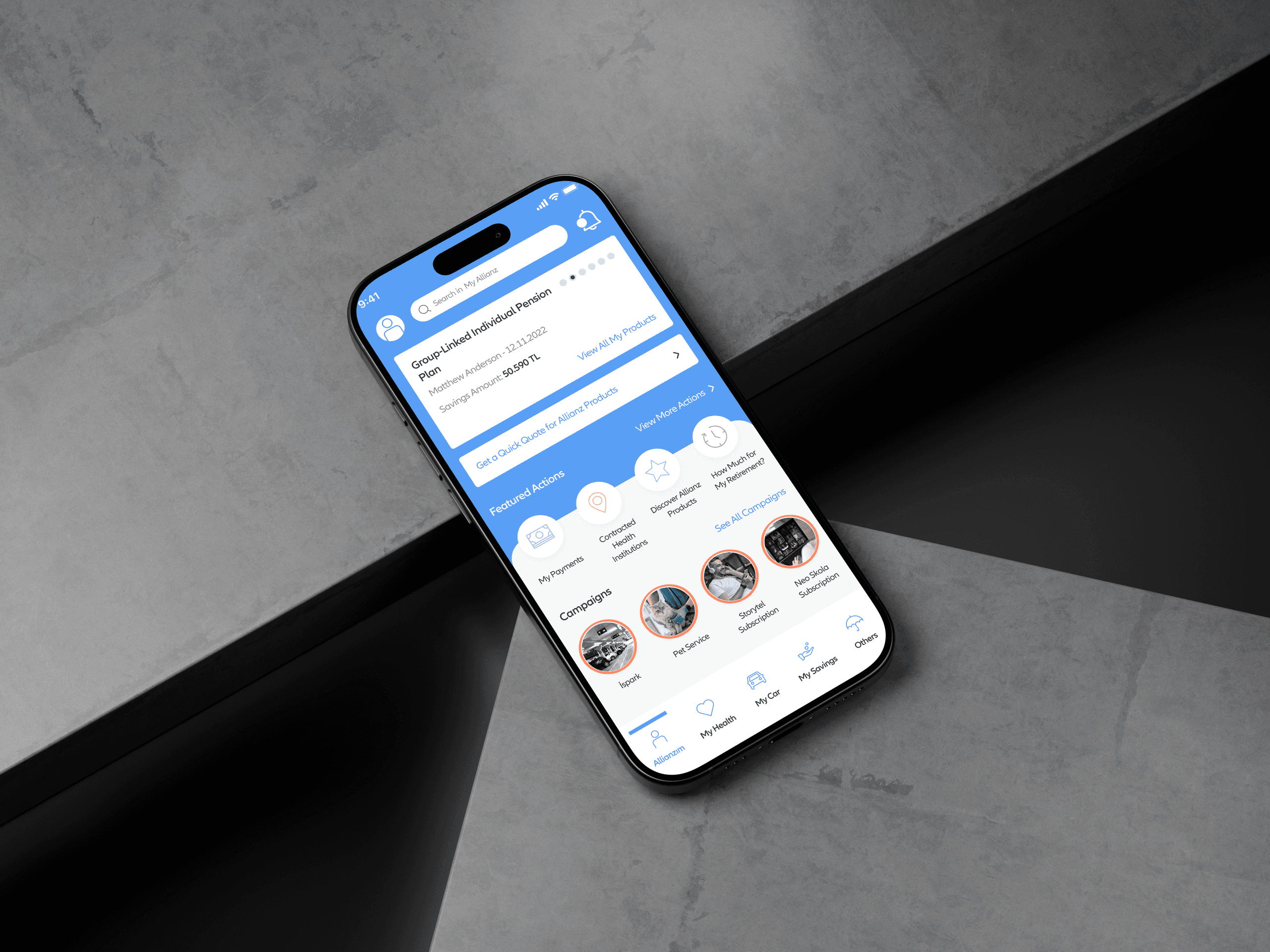
Published Feb 2026 · 4 min readConway’s Law and multi-squad friction: how we unified 5 divergent squads across 1.5M MAU at Allianz Türkiye.
Published Mar 2026 · 4 min readCognitive psychology and trust ergonomics: why frictionless flows trigger anxiety in irreversible $24M financial transfers.
Published Mar 2026 · 4 min readLegal certainty at component level: PII masking contracts, Turkish dotted-i casing traps, and Swiss medical privacy.
Published Apr 2026 · 4 min readI design systems for software where mistakes are expensive. Rooted in usability research and human factors rather than visual art, I build precision instruments engineered for transactional safety and operational velocity.
Today, I lead Design Systems at Agito as the sole designer governing interaction patterns, component behaviors, and design system standards for 14+ core insurance products and 250+ engineers.
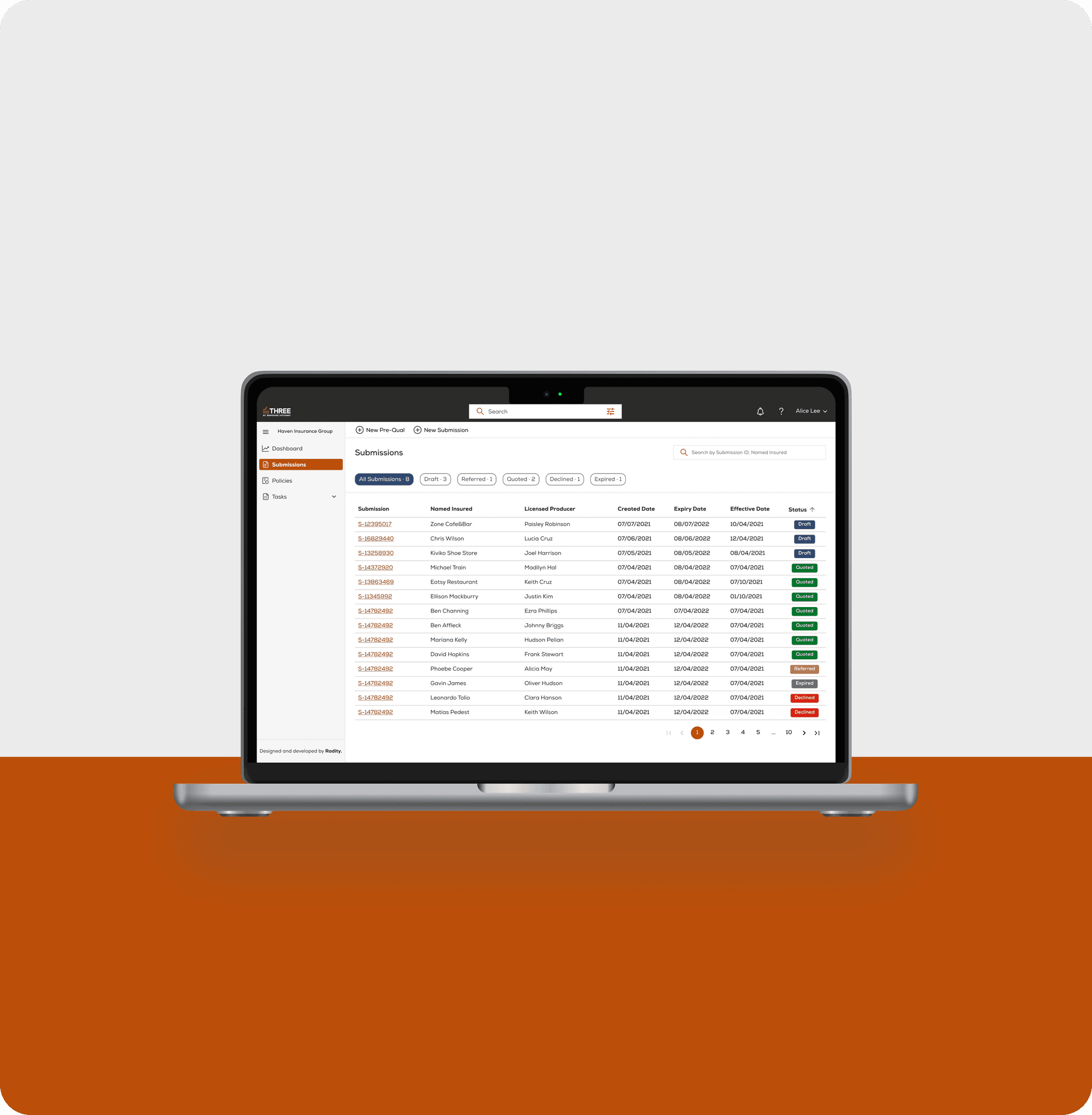
My work bridges large-scale consumer ecosystems and dense back-office engines. Previously, I led product design across 5 agile squads for Allianz Türkiye's B2C ecosystem (1.5M MAU and $24M+ in written premium), architected multi-tenant commercial underwriting engines for Berkshire Hathaway’s Three Insurance at Radity in Zurich, and directed payment discovery for eLogo across 20+ industries.
I hold a Master of Arts in Art & Design from Yaşar University, where my research evaluated deliberate friction and trust dynamics in high-stakes transactions. That background defines how I build: treating software as a fault-tolerant control system.